






Life Onboard an SOV Vessel for Wind Farm Technicians: A Day-to-Day Story
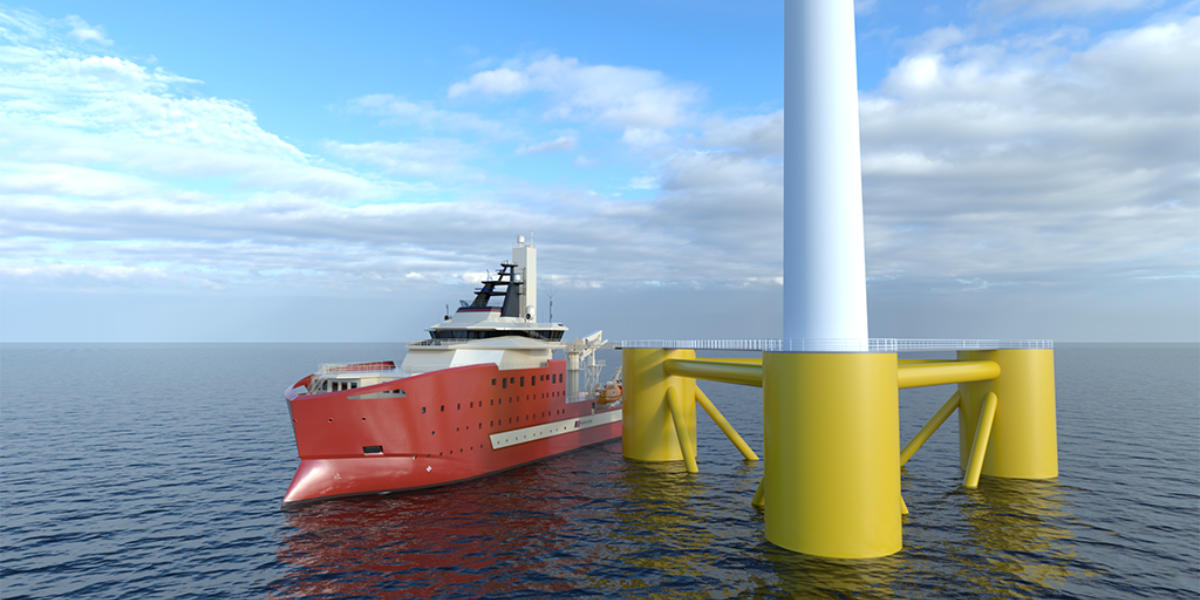
Imagine waking up to the gentle sway of the ocean, far from the hustle of city life, knowing your job today involves climbing massive wind turbines to harness the power of the wind. For wind farm technicians, this is everyday reality aboard an SOV vessel, a service operation vessel that serves as a floating home and workplace in the heart of offshore wind farms. These specialized ships allow teams to live at sea for weeks, maintaining and repairing turbines without the daily commute from shore. Life onboard an SOV vessel blends hard work with unique adventures, strong friendships, and moments of quiet reflection amid the waves. It’s a lifestyle that attracts those who love technical challenges, nature, and teamwork. In this storytelling journey, we’ll follow a typical day and explore the rhythms of life for technicians on an SOV vessel, painting a picture of what it’s really like to contribute to renewable energy from the open sea.
Arriving and Settling In on the SOV Vessel
The adventure begins with arrival, often by helicopter or crew transfer boat from the mainland. Stepping onto the SOV vessel for the first time feels like entering a modern floating hotel designed for purpose. Technicians are greeted by the crew, shown to their cabins, and given a safety briefing—essential in this remote environment.
Cabins on an SOV vessel are thoughtful havens, often private or shared with just one other person. They come with comfortable beds, storage for personal items, desks, and en-suite bathrooms to maintain privacy and hygiene during long stays. After unpacking, new arrivals join a tour of the ship, familiarizing themselves with muster stations, workshops, and recreation areas. Settling in quickly builds excitement, as everyone shares stories from past trips. This welcoming phase sets the tone for the rotation ahead, turning strangers into a tight-knit group ready to tackle the wind farm together.
A Typical Daily Routine for Technicians
Days on an SOV vessel follow a structured yet flexible rhythm, starting early with breakfast in the mess room. The galley team prepares hearty meals to fuel the physical work ahead—think eggs, fresh bread, fruits, and coffee to shake off any lingering sleep.
Shifts often run in 12-hour patterns, with teams rotating between day and night to cover round-the-clock needs. Morning briefings outline the day’s tasks, weather updates, and safety points. Technicians gear up in protective clothing, helmets, and harnesses before heading to the walk-to-work gangway or daughter craft for turbine access.
Once on a turbine, the work varies—inspecting blades for wear, tightening bolts, or troubleshooting electrical systems high above the sea. The views are breathtaking, with endless ocean and spinning rotors as far as the eye can see. Back on the SOV vessel for breaks, lunch offers a chance to refuel and chat about the morning’s findings.
Afternoons might involve more transfers or onboard maintenance in workshops stocked with tools and parts. Evenings wind down with dinner, where stories flow freely. Night shifts mirror this but under starlit skies, with the ship’s lights guiding safe returns. This routine balances intensity with recovery, keeping everyone sharp for the demands of offshore life.
Meals and the Importance of Good Food at Sea
Food plays a starring role in morale on an SOV vessel. The galley operates like a well-run restaurant, serving three meals a day plus snacks, all tailored to diverse tastes and dietary needs. Breakfast energizes, lunch sustains midday efforts, and dinner becomes a social highlight.
Cooks source fresh ingredients during resupply stops, creating varied menus with grilled meats, pastas, salads, and vegetarian options. Baking fresh bread or desserts adds a homemade touch that feels comforting miles from land. Eating together in the mess room fosters bonds—technicians swap tips on tricky repairs or laugh about wave-splashed transfers.
Hydration stations and coffee machines run constantly, combating the salty air. Good nutrition supports the physical toll of climbing and working in wind, while shared meals remind everyone they’re part of a family at sea. On an SOV vessel, a satisfying plate after a long shift is pure reward.
Recreation and Downtime Activities
After shifts, downtime on the SOV vessel offers welcome relief. Modern vessels include gyms with weights, cardio machines, and space for yoga to stay fit amid limited movement. Lounges feature big screens for movies, game consoles, or board games that spark friendly competitions.
Reading nooks, table tennis, or even saunas provide relaxation options. Many enjoy the deck for fresh air, watching sunsets or spotting marine life like dolphins playing in the wake. Internet access allows video calls home, sharing glimpses of this unique world with loved ones.
Crew-organized events, like quizzes or barbecues on calm days, build camaraderie. These activities combat isolation, recharging minds for the next day’s challenges. Life onboard an SOV vessel teaches appreciation for simple joys, turning potential boredom into memorable connections.
The Work: Transferring to Turbines and Daily Tasks
The heart of the job lies in transferring to turbines, often via the compensated gangway that bridges ship to platform smoothly. Technicians walk across confidently, tools in hand, as the system counters waves for stability.
On the turbine, tasks demand focus—climbing internal ladders to the nacelle, conducting visual checks, or using drones for blade inspections. Teamwork shines here, with spotters below and coordinated efforts topside. Safety protocols, like harness checks and permits, ensure everyone returns unharmed.
Back on the SOV vessel, debriefs share learnings, and workshops handle part replacements. Weather dictates the pace—calm days allow multiple visits, while rougher ones shift to planning or training. This mix of adrenaline and precision makes the work fulfilling, directly contributing to clean energy while surrounded by nature’s power.
Challenges and Rewards of Living at Sea
Life on an SOV vessel isn’t without hurdles. Seasickness can strike newcomers, though most adapt quickly. Isolation from family tests resilience, eased by scheduled calls and rotation breaks. Noise from engines or wind, plus confined spaces, require adjustment.
Yet rewards abound—the pride in sustaining green power, close-knit bonds formed in shared experiences, and unparalleled views of horizons and starry nights. Personal growth comes from overcoming daily tests, building confidence and skills. For many, the rhythm of sea life becomes addictive, offering purpose in a vital industry while escaping routine shoreside existence.
FAQs
What is a typical shift length for technicians on an SOV vessel?
Shifts often last 12 hours, with rotations allowing rest and coverage around the clock on an SOV vessel.
Are cabins private on an SOV vessel?
Many cabins offer private or semi-private setups, providing personal space during stays on an SOV vessel.
How do technicians stay fit while on an SOV vessel?
Gyms and exercise areas onboard an SOV vessel help maintain fitness, along with outdoor deck time.
What kind of food is served on an SOV vessel?
Varied, nutritious meals with fresh options are prepared daily to support the crew on an SOV vessel.
How do workers communicate with family from an SOV vessel?
Internet and satellite connections enable calls and messages from the SOV vessel.
Is seasickness common on an SOV vessel?
It can affect some at first, but stable designs and experience help most adapt quickly on an SOV vessel.
Final Words
Stepping into life on an SOV vessel opens a window to a world where human ingenuity meets the endless sea, powering tomorrow’s energy today. For wind farm technicians, it’s more than a job—it’s a chapter of growth, camaraderie, and quiet awe at nature’s forces. As offshore wind expands, these stories remind us that behind every turning turbine are dedicated people living extraordinary days at sea, bridging our present needs with a cleaner horizon.