


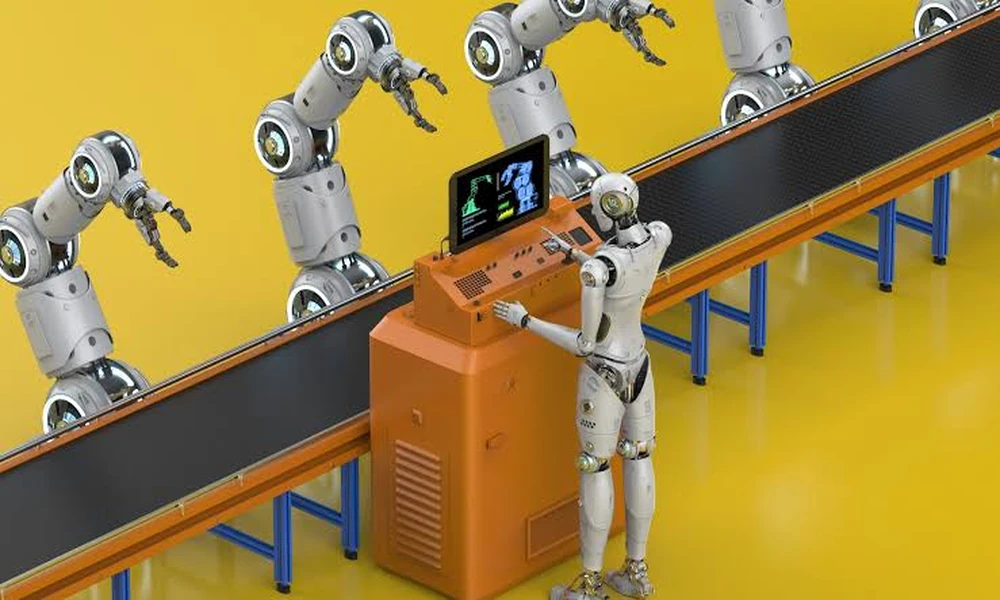



Creating More Responsive Operations
Artificial intelligence is gradually becoming embedded in pharmaceutical manufacturing, improving how processes are managed without disrupting the systems already in place. In a field where accuracy, repeatability, and compliance are essential, AI is helping manufacturers operate with greater confidence and control.
Production environments in medical manufacturing are complex by nature. Variations in raw materials, tightly regulated conditions, and the need for precise execution all create potential challenges. AI helps reduce uncertainty by analyzing data across processes, offering clearer visibility into performance and highlighting areas that may require attention.
One of the defining strengths of AI is its ability to adapt. Unlike traditional automation, which follows fixed instructions, AI systems learn from ongoing data inputs and refine their outputs over time. This allows manufacturing operations to become more responsive without constant manual intervention.
In practical terms, this improves both maintenance and process stability. AI can detect early signals of equipment wear, allowing teams to act before failures occur. It can also monitor production conditions continuously, helping ensure that each batch meets defined standards. These improvements contribute to more consistent output, fewer interruptions, and better resource management.
AI is also strengthening supply chain awareness. By combining historical trends with real-time information, manufacturers can anticipate demand changes and identify potential constraints earlier. This supports more proactive planning and helps maintain continuity across complex global networks.
Balancing Innovation With Compliance
Pharmaceutical manufacturing operates under strict regulatory expectations, which can make adopting new technologies challenging. AI helps address this by improving transparency and traceability. Advanced data tracking ensures that processes are documented clearly, while analytical tools make it easier to review and interpret regulatory requirements.
This alignment allows manufacturers to move forward with innovation while maintaining compliance. Instead of introducing risk, AI supports a more structured and controlled approach to modernization.
As adoption continues to grow, AI is becoming less of an emerging technology and more of a standard capability. Its impact lies in strengthening existing systems, improving consistency, and helping manufacturers meet the demands of a highly regulated, precision-driven industry.
For additional insight into how AI is redefining standards in pharmaceutical production, explore the visual guide accompanying this article from Advanced Technology Services, a provider of industrial predictive maintenance services.